


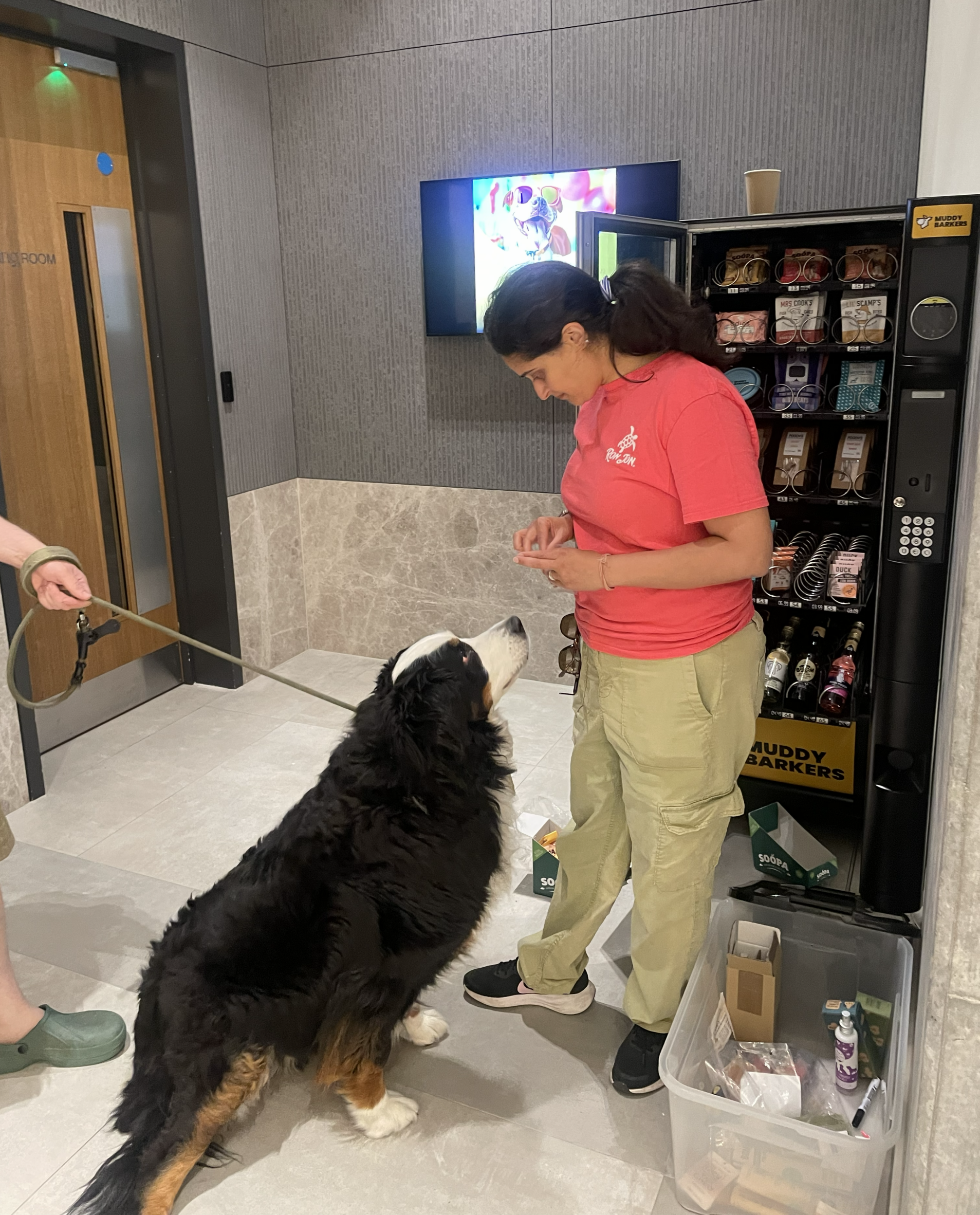
Did you know that 41% of UK households now own a dog? According to recent 2026 statistics from UK Pet Food, there are now more than 15.5 million dogs living in UK homes, highlighting just how much dog ownership continues to shape everyday life across the country.
As dog ownership continues to grow, public spaces are naturally seeing more regular use from dog owners spending time outdoors with their pets. What was once a quick daily walk is increasingly becoming a longer experience built around exercise, social interaction, and time spent in well-designed environments.
For businesses, property developers, and public space operators, this shift presents a valuable opportunity. Dog owners are no longer simply looking for places to pass through. They are drawn to spaces that feel welcoming, easy to use, and supportive of their everyday routines.
At Muddy Barkers, we see first-hand how improving access to dog-friendly amenities can encourage people to stay longer, return more often, and engage more with the spaces around them.

The Shift from Functional to Experiential
Traditionally, outdoor spaces have been designed with basic functionality in mind — paths to walk, benches to sit on, and open areas to use.
However, dog owners are increasingly looking for more than just somewhere to walk. They are seeking spaces where they can comfortably spend time with their dogs.
This shift means:
- Walks are becoming longer
- Stops along the way are more frequent
- Public spaces are becoming destinations rather than just routes
Access Shapes the Experience
One of the biggest factors influencing how long people stay in a space is access.
When dog owners have easy access to the things they need, they are more likely to relax, stay longer, and return regularly.
This includes access to:
- Fresh water
- Waste disposal facilities
- Seating and shaded areas
- Dog treats, toys, or essentials during walks
At Muddy Barkers locations, we regularly observe how access to simple amenities changes behaviour. What begins as a quick stop during a walk often turns into a longer pause where dogs rest, owners socialise, and people spend more time enjoying the space.
 Longer Visits Create More Engagement
When spaces are designed to support both dogs and owners, dwell time naturally increases.
From our observations across Muddy Barkers locations, dog owners are more likely to:
- Pause instead of simply passing through
- Extend their walking routes
- Return to the same locations repeatedly
- Spend more time in surrounding cafés, parks, and communal areas
These behaviours create more active and socially engaged environments.
Small Amenities Make a Big Difference
Increasing dwell time does not always require major redevelopment projects.
 Often, it is the smaller additions that have the greatest impact:
-
-
- Water stations
- Accessible waste bag dispensers
- Shaded seating areas
- Easy access to dog essentials
-
These additions help remove small frustrations from everyday outings and make spaces feel more welcoming and practical.
This is exactly the role Muddy Barkers aims to support through our vending machine locations placed in parks, public walking routes, and residential developments.
The Community Effect
Dog-friendly spaces naturally encourage social interaction.
We regularly see dog owners stopping near our vending machines, not just to purchase a product, but because these locations become natural meeting points during walks.
Dogs interact with each other, conversations begin between owners, and spaces become more community-focused.
This increased social activity contributes to:
- Stronger community connection
- More repeat visits
- Better use of public environments
Why Dwell Time Matters for Businesses and Developers
For businesses and developers, increased dwell time creates measurable value.
The longer people remain in a space, the more likely they are to:
- Visit nearby businesses
- Spend money locally
- Engage with surrounding amenities
- Return regularly
Dog-friendly spaces that prioritise accessibility and real user behaviour can therefore create both social and commercial benefits.
Designing Spaces People Want to Stay In
The most successful dog-friendly spaces are designed around how people actually behave.
This means understanding:
- Where people naturally stop
- Which routes experience the most foot traffic
- What dog owners need during longer outings
- How access influences movement and engagement
Insights gathered from Muddy Barkers locations consistently show that thoughtful placement of small amenities can significantly influence how people use and experience a space.
As dog ownership continues to rise across the UK, expectations around public spaces are evolving alongside it.
For many dog owners, a walk is no longer just about exercise. It is part of a wider lifestyle experience that includes comfort, accessibility, and community interaction.
At Muddy Barkers, we see every day how improving access to small but meaningful amenities can encourage people to stay longer and engage more with the spaces around them.
For businesses, developers, and public space operators, designing with access in mind is no longer just a nice addition — it is becoming an important part of creating spaces people genuinely want to spend time in.


